Good Food Brings Good Birds
From sunflower hearts to suet, we put together seed and feed that garden birds actually choose, so your garden becomes somewhere they want to visit, not just somewhere they pass through.
From Field to Feeder
We source our seed carefully and pay close attention to freshness, because that is what makes the real difference once it lands in your feeder. Stale seed loses its oil content quickly, and birds are far better than we are at telling the difference.
We also try to keep the fillers out. A lot of cheaper mixes are padded with wheat and other husks that get kicked out onto the lawn and left to rot, which is more mess for you and less food for them. Matching the right seed to the birds you actually want to see makes a bigger difference than simply filling a feeder and hoping for the best.
Everything a Garden Needs
Seed mixes and high energy feed through to the boxes and tables that give birds somewhere to nest and somewhere safe to eat.
Mixed Bird Seed
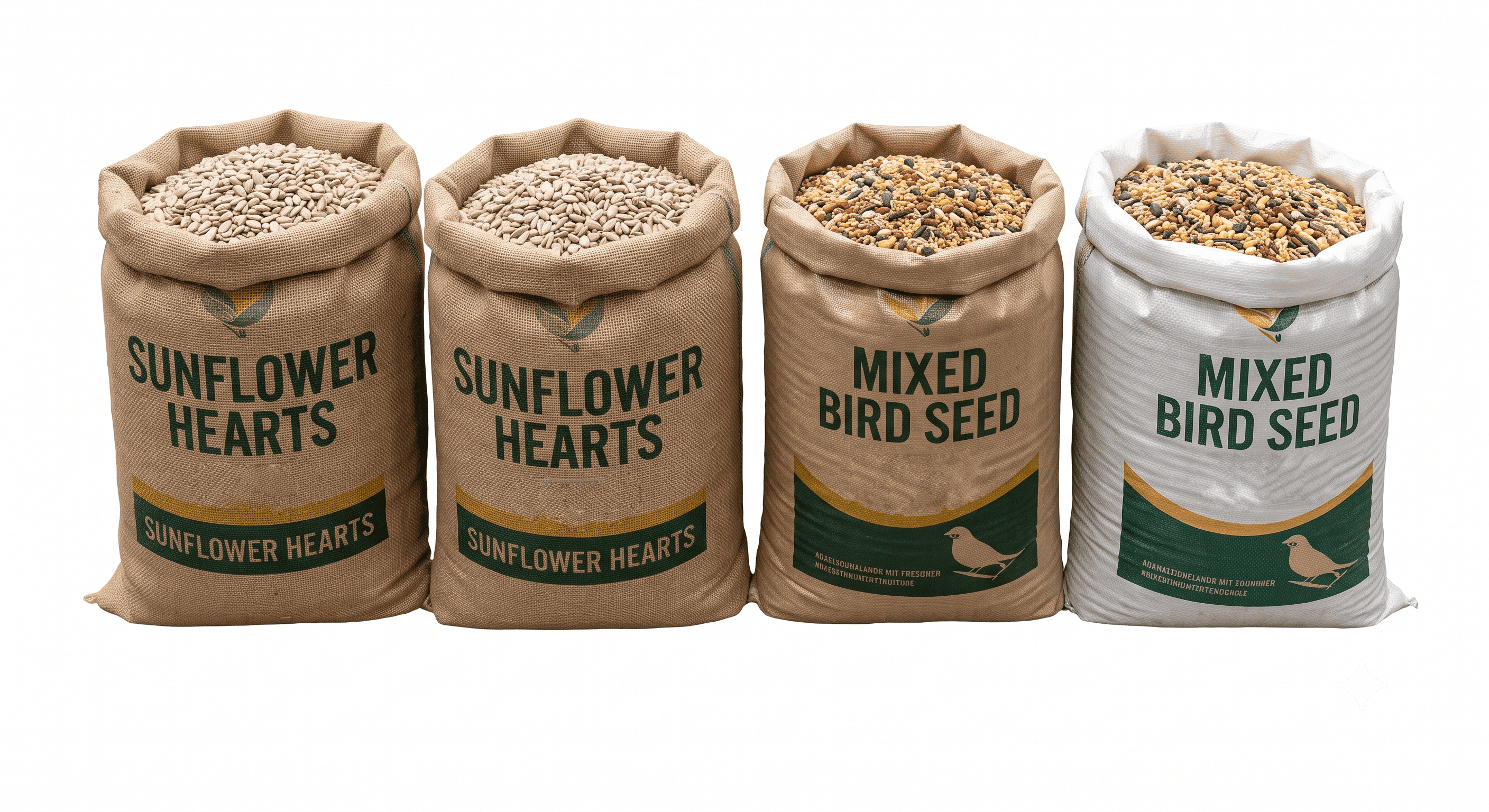
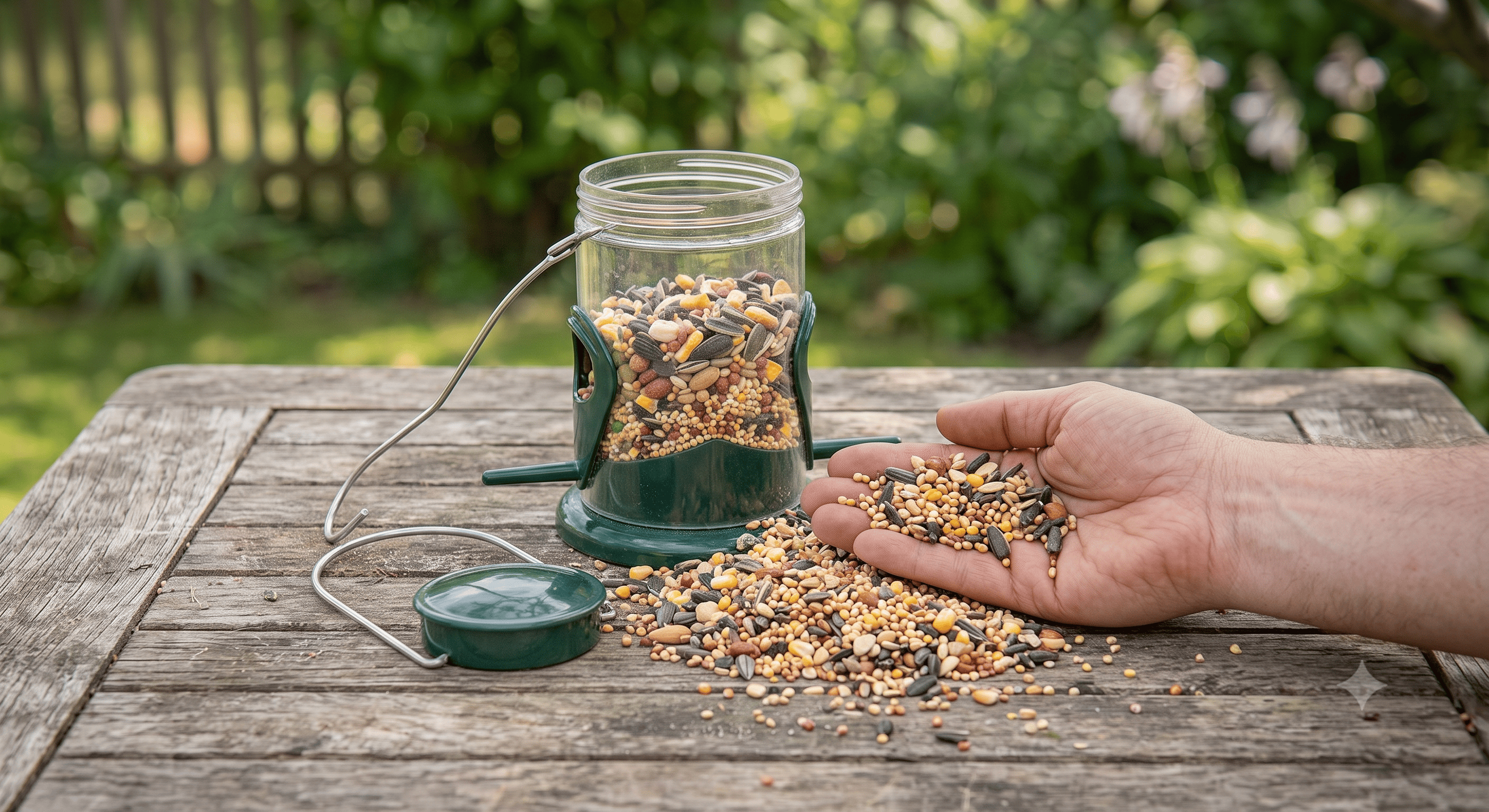
A well balanced blend of small seeds, flaked maize and cereal, built to suit a wide range of visitors rather than one or two species. Scatter it on a table or in a ground tray and you will usually see sparrows, finches and the occasional dunnock working through it within the hour.
Sunflower Hearts
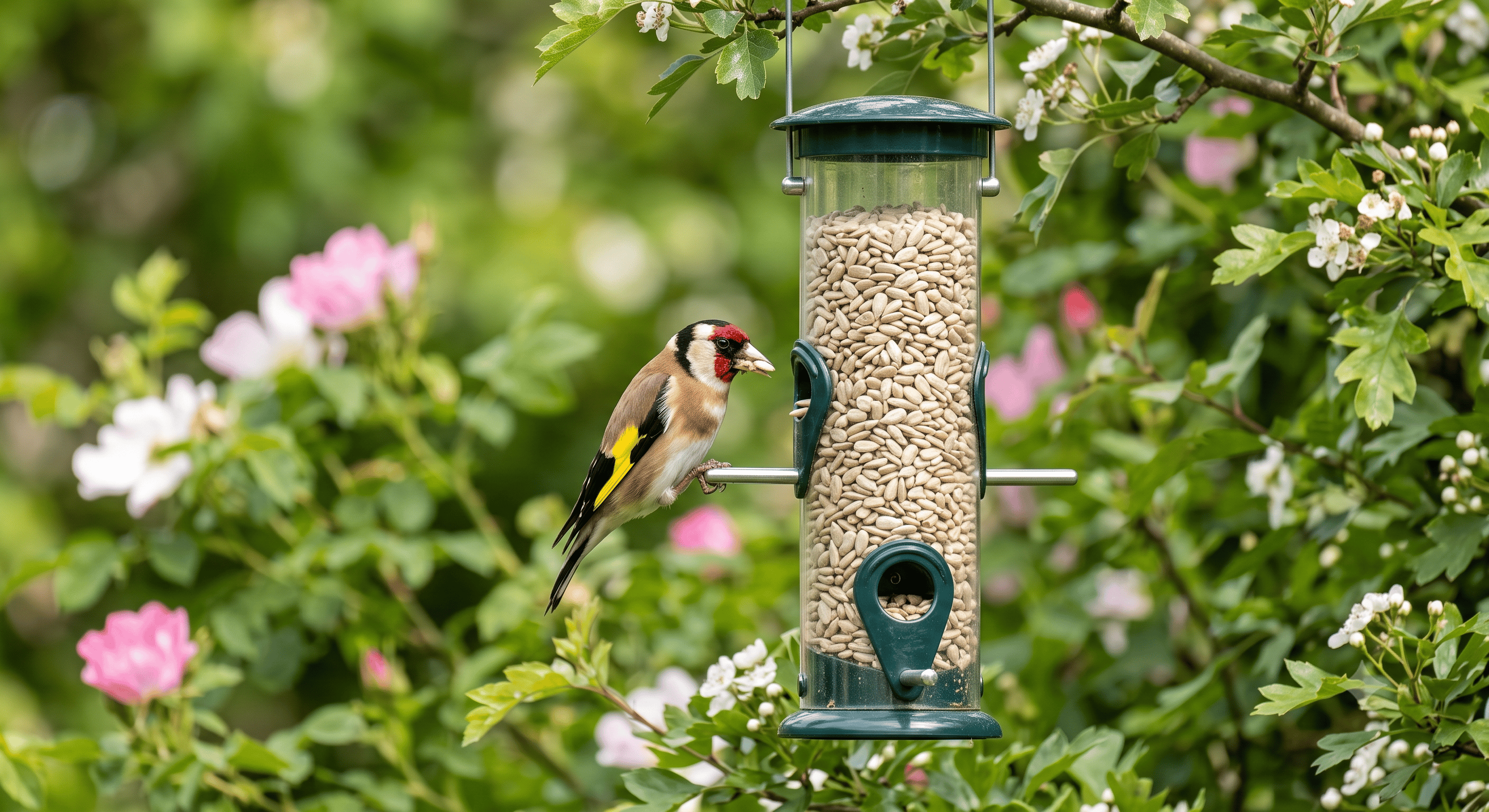
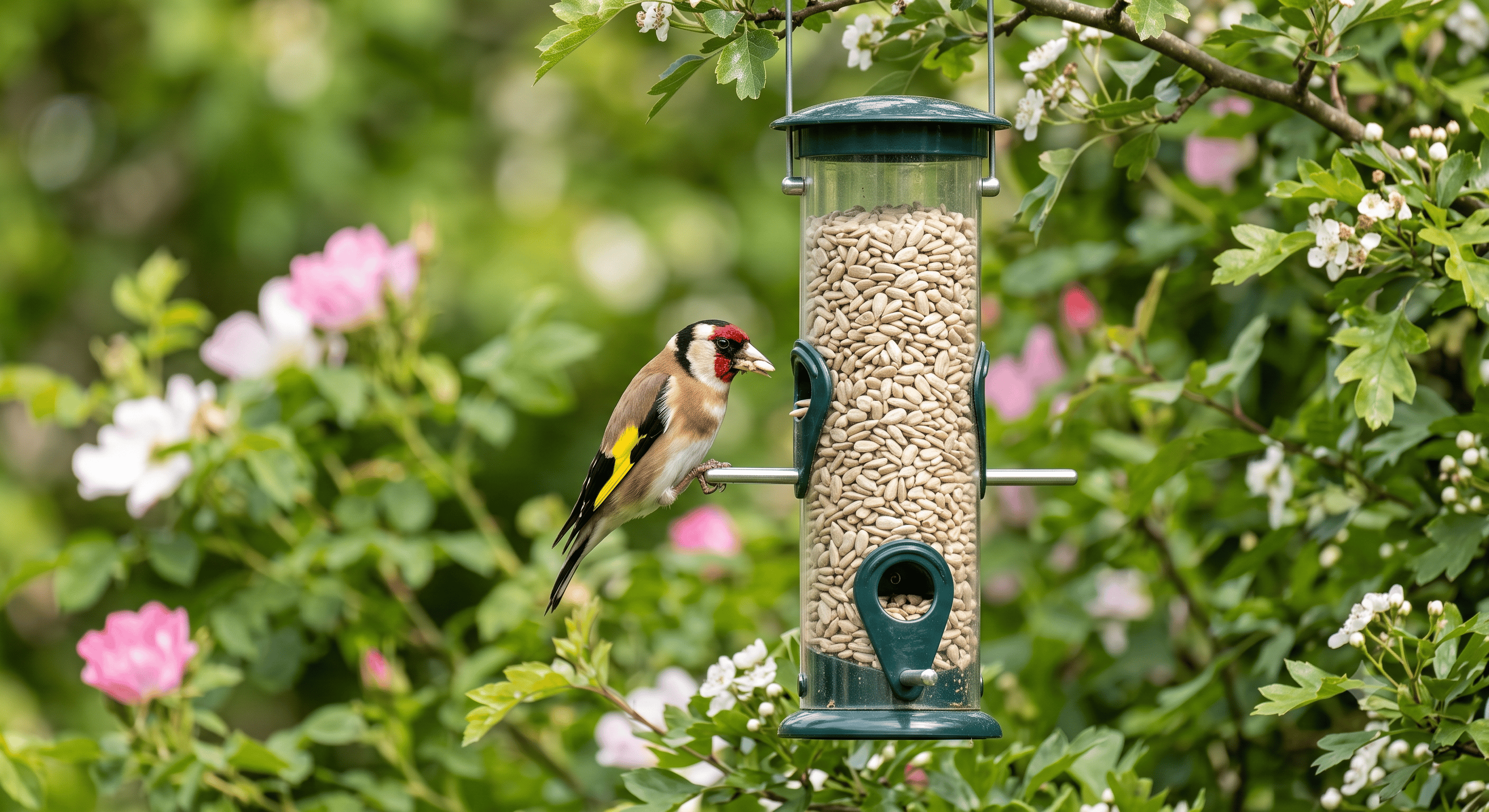
The shell has already been removed, so there is no husk left behind on the patio and almost nothing goes to waste. Goldfinches, greenfinches and blue tits tend to head straight for these over anything else on offer, which makes them a good choice if finches are what you are hoping to attract.
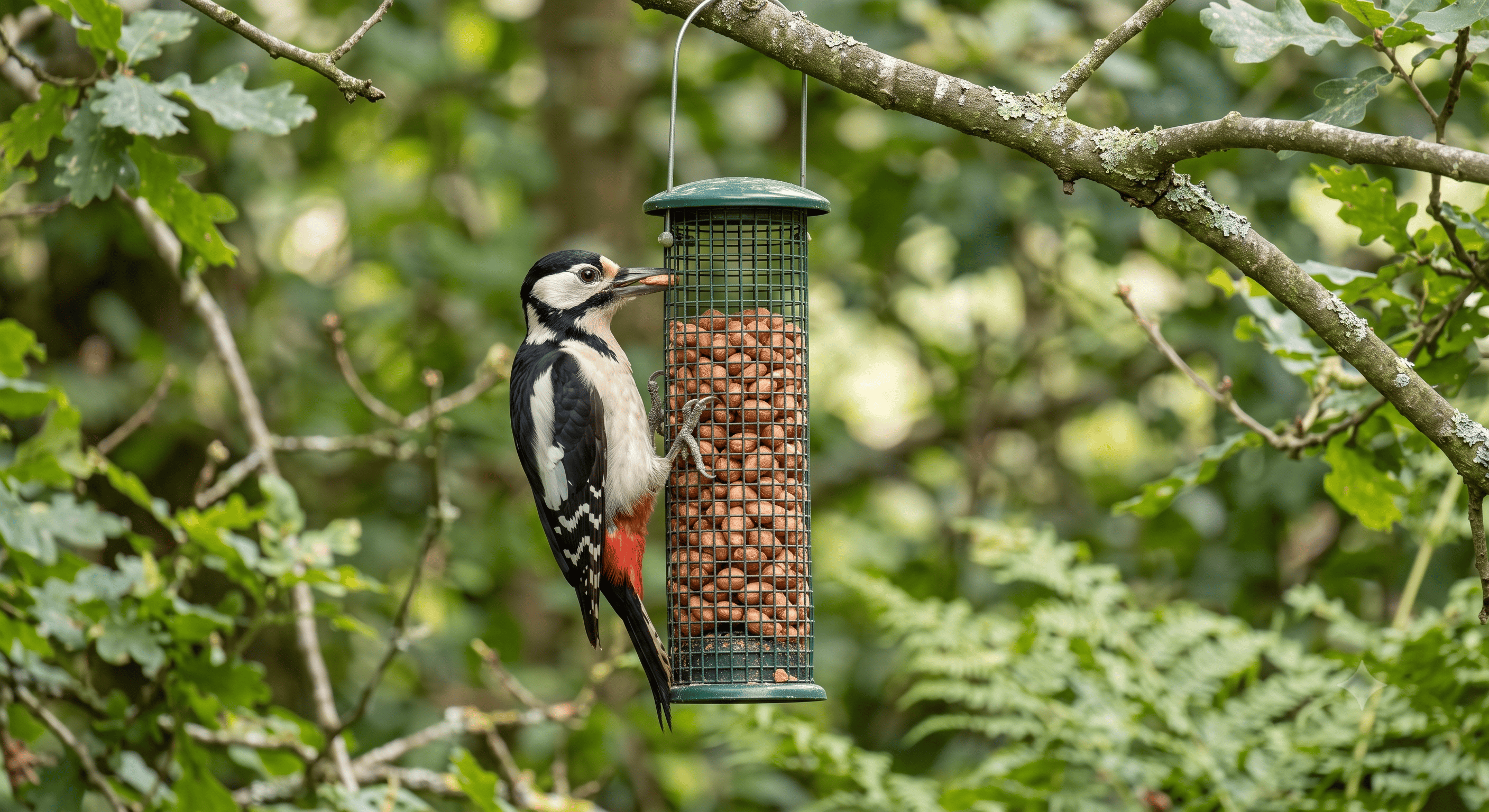
Peanuts
High in fat and protein, peanuts are a proper energy source rather than a snack, which is why woodpeckers, nuthatches and great tits will happily queue for them. Always feed them from a mesh feeder so birds break off small pieces instead of taking whole nuts back to a nest.
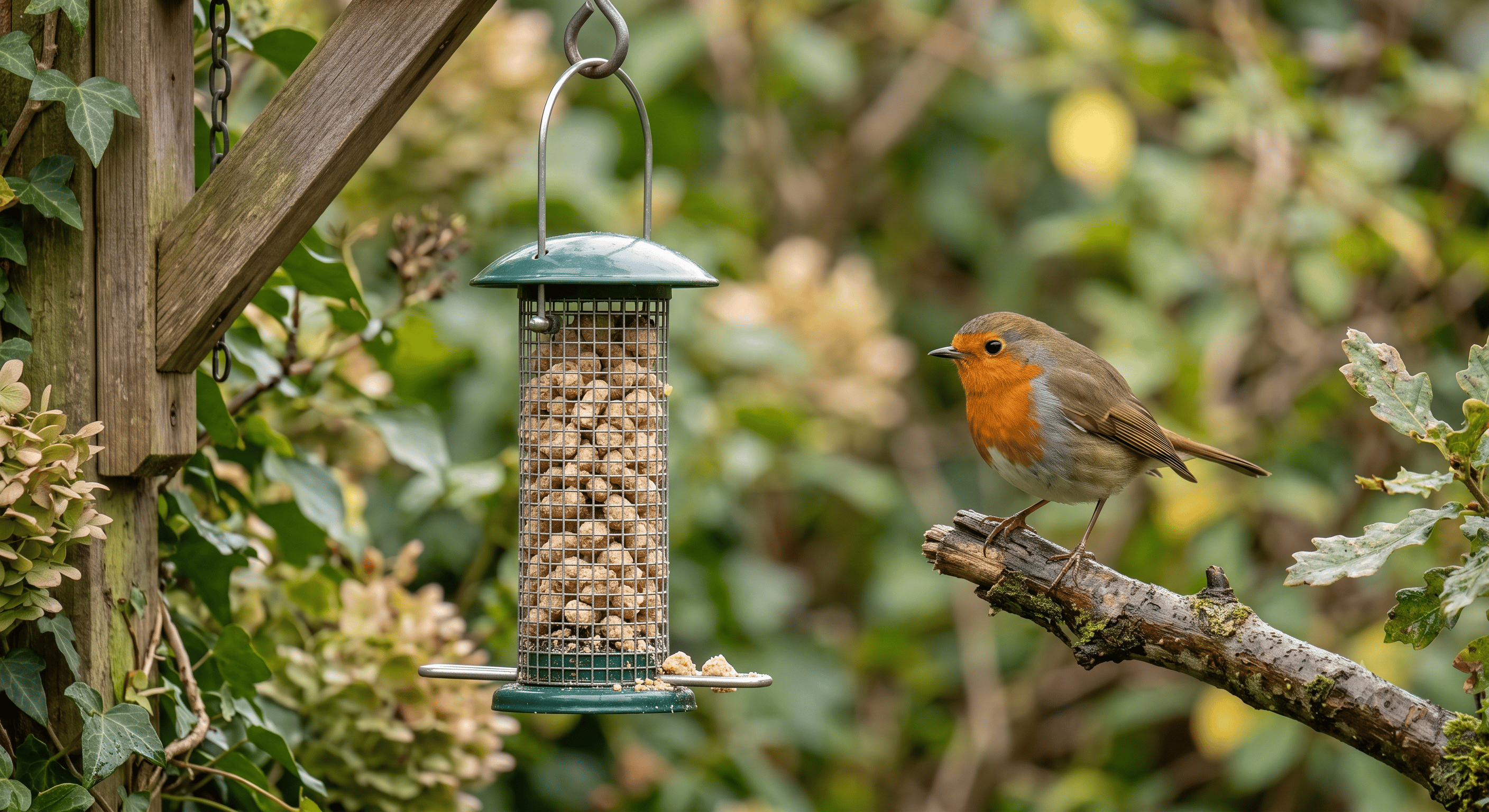
Suet
Suet is rendered fat mixed with seed, dried insects or fruit, and it is one of the quickest ways for a bird to top up its energy, particularly first thing in the morning and through the colder months. Wrens, robins and long tailed tits are frequent visitors wherever suet is on offer.
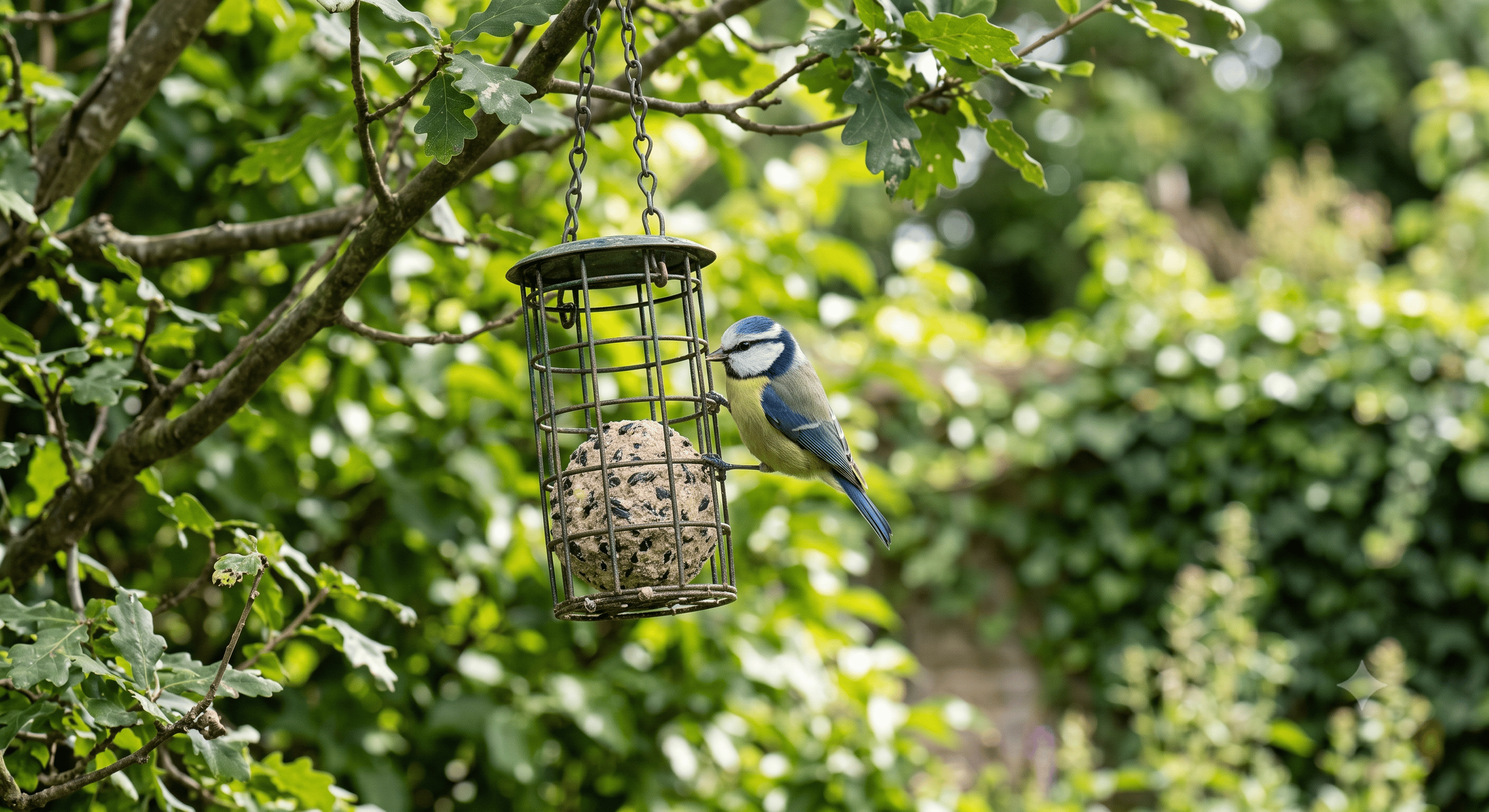
Fat Balls
A firm favourite for a reason. Fat balls pack a lot of energy into a small space, which matters most when the days are short and food is harder to find naturally. Starlings, blackbirds and tits will all make use of them, so expect a bit of a crowd around a well stocked feeder.
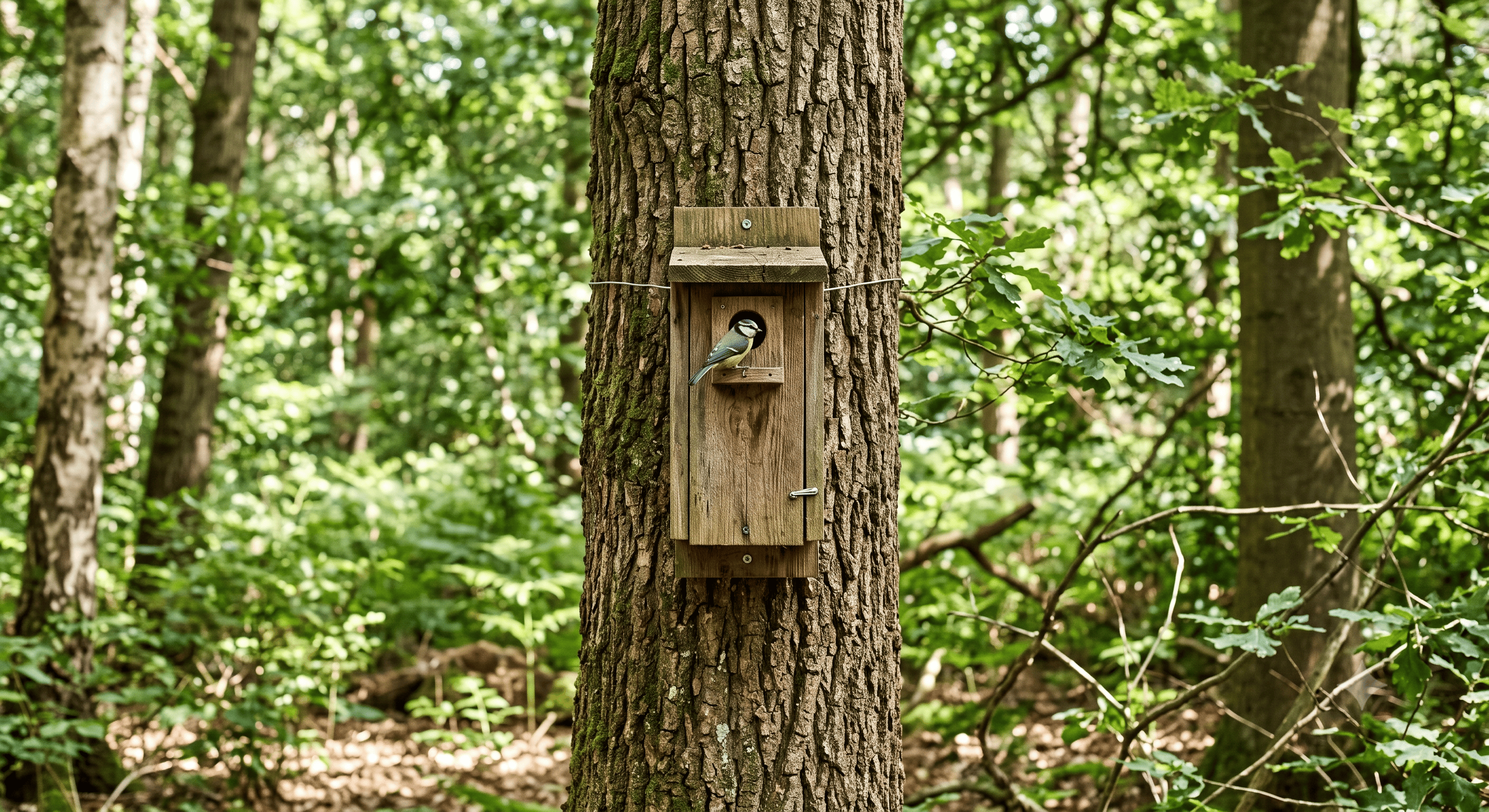
Bird Boxes
Feeding brings birds into the garden, but a box gives them a reason to stay. Different hole sizes and box styles suit different species, from small hole boxes favoured by blue tits and sparrows to open fronted designs that robins and wrens prefer.
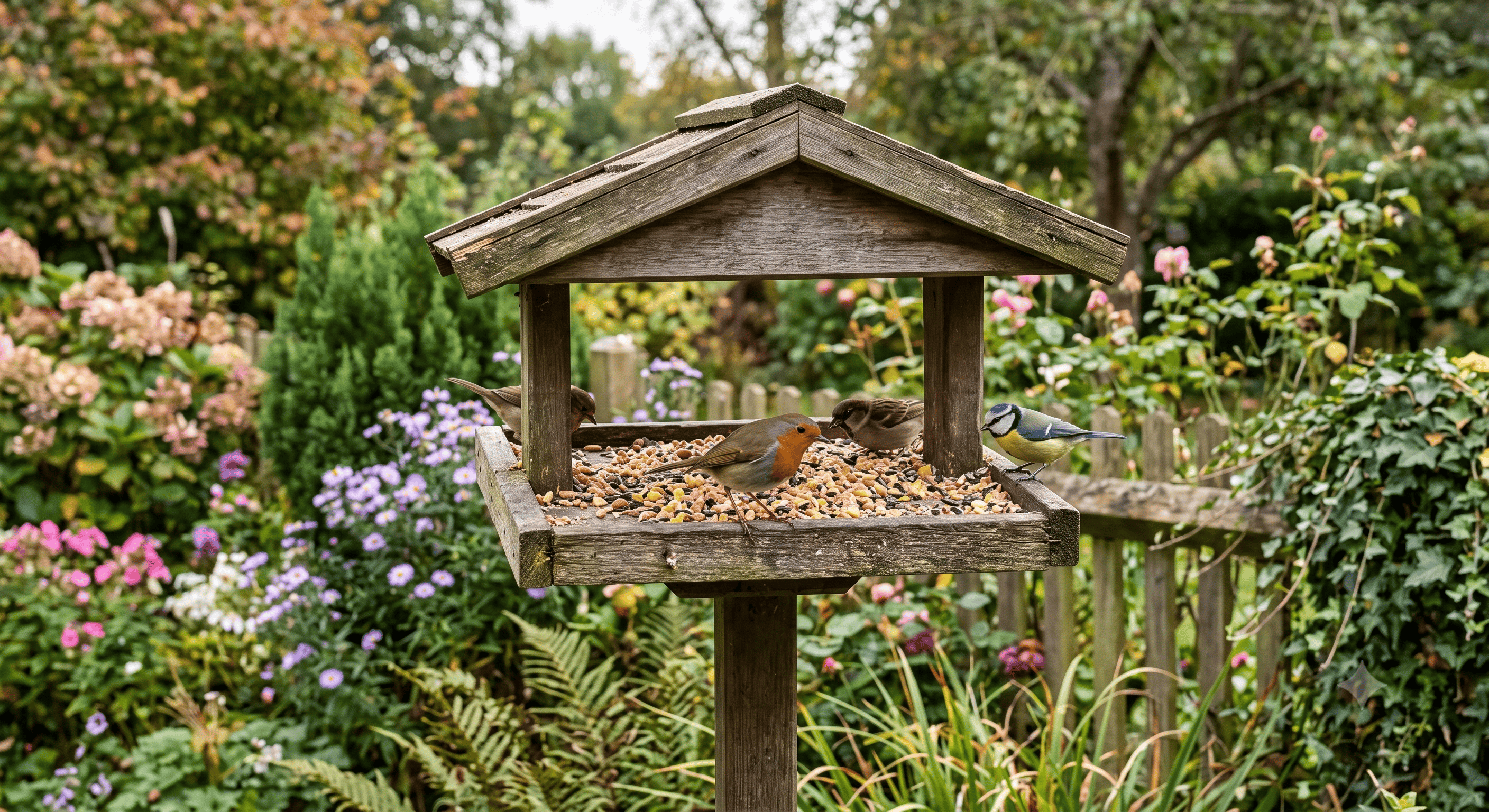
Bird Tables
A table gives ground feeding species somewhere safe and visible to feed, away from cats and away from the mess that builds up on a lawn. Blackbirds, thrushes and collared doves generally prefer feeding this way over hanging feeders.
Which Seed for Which Bird
If you are trying to attract a particular species, or simply want a bit more variety than the usual pigeons, matching the food to the bird makes a real difference. Here is a rough guide to what tends to work.
| Garden Bird | Best Feed |
|---|---|
| Goldfinches, Greenfinches & Siskins | Sunflower hearts and nyjer seed |
| Blue Tits & Great Tits | Sunflower hearts, peanuts and suet |
| Robins & Wrens | Suet, fat balls and mealworm |
| House Sparrows | Mixed seed, especially with added millet |
| Woodpeckers & Nuthatches | Peanuts and suet |
| Blackbirds & Thrushes | Ground feeding mixes with dried fruit, fed from a table |
| Collared Doves & Wood Pigeons | Mixed seed scattered on a table or the ground |
Give Them Somewhere to Stay
Feeding gets birds into the garden, but pairing it with a box or two is what tends to keep them coming back year after year. Site boxes somewhere sheltered, away from direct afternoon sun, and out of easy reach of cats.
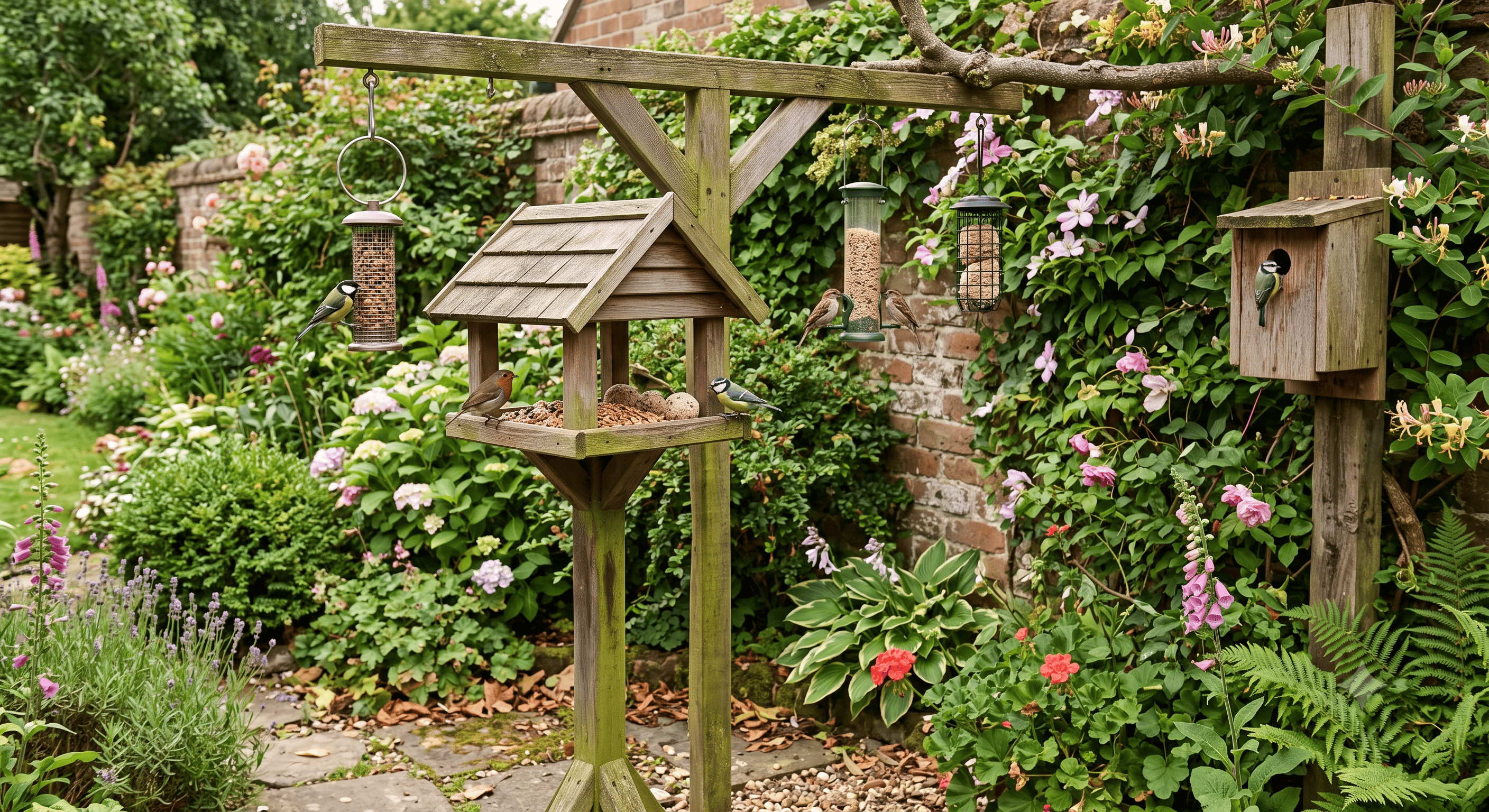
It is worth thinking about feeders in the same way. A mix of hanging feeders, a ground tray and a table gives more species a way to feed comfortably, since not every bird is happy clinging to a swinging feeder. A quick clean every couple of weeks also goes a long way, since feeders that are never washed can do more harm than good.
Seed Worth Putting Out
Genuinely Fresh
We pay close attention to freshness, so seed does not sit around losing its oil content before it reaches you.
Less Filler, Less Mess
We keep unnecessary wheat and husk out of our mixes, so there is less waste kicked out onto the lawn.
Sourced Responsibly
We work with growers and suppliers we know, and we are happy to say where our seed comes from.
Packed in the UK
Everything is packed here, close to the gardens it ends up feeding.